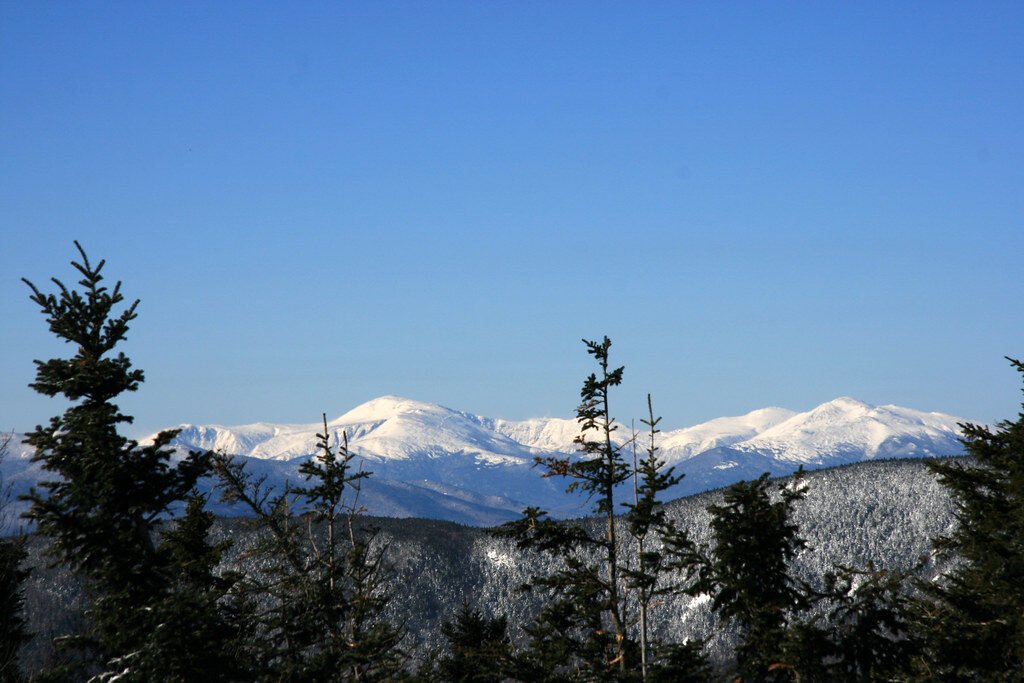
Washington state is pursuing aggressive climate action and clean energy transition establishing the Pacific Northwest as environmental leadership model nationally. State policy emphasizes renewable energy expansion, carbon emission reduction, and environmental conservation addressing climate change and air quality concerns. Washington’s abundant hydroelectric power, wind resources, and solar potential support clean energy transition while maintaining affordable electricity and competitive manufacturing environment. The state’s commitment to environmental stewardship reflects community values and strategic positioning for sustainable economic development.
Renewable Energy Portfolio and Clean Electricity
Washington’s energy infrastructure benefits from abundant hydroelectric resources providing nearly 70% of state electricity generation with zero carbon emissions. Wind farms in Eastern Washington generate substantial clean power contributing to renewable energy portfolio. Solar expansion on rooftops, utility-scale installations, and emerging technologies diversify renewable energy sources supporting grid stability and emissions reduction.
Washington State Department of Ecology tracks renewable energy development, climate policy implementation, and environmental quality supporting clean energy transition and emissions reductions.
Carbon Emission Reduction Goals and Policy
Washington enacted the Climate Commitment Act establishing carbon pricing mechanism and emission reduction targets. The program creates market incentives for businesses to reduce emissions while generating revenue funding environmental initiatives and community benefits. Carbon allowance auction revenue supports clean energy programs, workforce development, and environmental justice priorities.
State policy targets 50% emission reductions by 2030 and net-zero emissions by 2050, aligning with scientific recommendations and international climate commitments. Sectoral strategies address transportation emissions, building efficiency, agriculture, and industrial processes contributing to comprehensive emission reduction approach.
Transportation Electrification and Transit Expansion
Washington promotes transportation electrification through electric vehicle incentives, charging infrastructure expansion, and fleet conversion programs. Public transit investments in Seattle Light Rail expansion and regional transit systems provide alternatives to personal vehicle dependency. Transit-oriented development and urban planning emphasize walkability and reduced vehicle reliance supporting emission reduction objectives.
Building Energy Efficiency and Weatherization
Washington implements building energy efficiency standards requiring retrofits of existing structures and high-performance standards for new construction. Weatherization programs and energy efficiency rebates support homeowner and business investment in insulation, HVAC upgrades, and renewable energy systems. Building sector emissions reduction proves critical for achieving statewide climate targets.
Natural Resources and Forest Management
Washington’s forests represent critical carbon sequestration assets and ecosystem services supporting climate mitigation. Forest conservation, old-growth protection, and sustainable timber management balance economic, environmental, and climate objectives. Reforestation initiatives and riparian restoration support ecosystem recovery and carbon storage.
Water Resources and Environmental Quality
Washington’s abundant water resources support hydroelectric power, agricultural production, and ecosystem services critical to state prosperity. Climate change threatens water availability through changing snowpack patterns and precipitation timing. Watershed restoration, salmon recovery, and water conservation programs support ecosystem resilience and sustainable resource management.
Environmental Justice and Community Benefits
Washington’s climate policy emphasizes environmental justice ensuring pollution reduction and clean energy benefits reach low-income communities and communities of color historically bearing disproportionate environmental burdens. Community engagement in climate planning ensures equitable policy implementation and local input shaping climate solutions.
Economic Opportunities and Green Jobs
Clean energy transition creates employment opportunities in renewable energy installation, building efficiency, electric vehicle manufacturing, and emerging technologies. Workforce development programs prepare workers for clean economy careers supporting equitable economic opportunity and just transition for fossil fuel industry workers.
Climate Adaptation and Resilience
- Wildfire preparedness and forest health programs addressing climate-driven fire risks
- Flood management and stormwater infrastructure adaptation
- Heat wave preparation and cooling center networks
- Disaster preparedness and emergency response planning
- Agricultural adaptation strategies for changing growing conditions
FAQ: Washington Climate Action and Clean Energy
What is Washington’s climate target?
Washington targets 50% emission reductions by 2030 and net-zero emissions by 2050, aligning with scientific recommendations addressing climate change.
How does the Climate Commitment Act work?
The act creates carbon pricing system requiring businesses to purchase allowances for emissions. Auction revenues fund clean energy programs and community benefits.
What is Washington’s renewable energy percentage?
Washington generates approximately 80% of electricity from renewable sources, primarily hydroelectric power, with growing wind and solar contributions.
Are electric vehicles incentivized in Washington?
Yes. Washington provides tax incentives, rebates, and charging infrastructure investments supporting electric vehicle adoption and transportation electrification.
How can I reduce my carbon footprint?
Improve home energy efficiency, transition to electric vehicles, support renewable energy, reduce consumption, and engage in community climate action initiatives.
Support Washington Climate Action
Participate in clean energy transition through home energy efficiency upgrades, renewable energy adoption, and sustainable transportation choices. Support climate-friendly policies and candidates. Engage with community organizations advancing climate solutions and environmental protection. Washington’s climate leadership requires individual action and collective commitment supporting sustainable future.